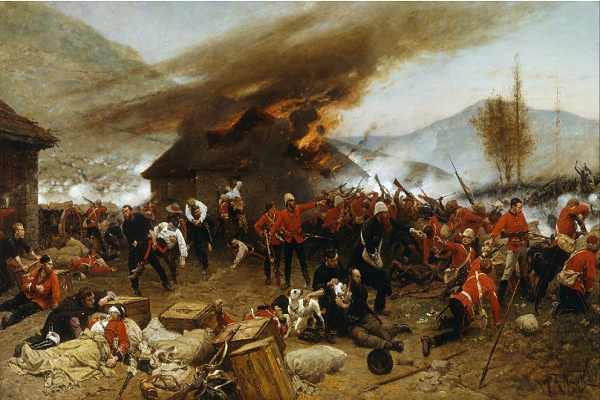
ANGLO-ZULU WAR
(1879)
The Anglo-Zulu War was a conflict between the British Empire and the Zulu Kingdom from January 11, 1879, to July 4, 1879, in South Africa. The background of the battle began with the British having interest in Zululand. They specifically wanted the Zulu population to provide labor in the diamond fields of South Africa. They also wanted to create a South African federation in the region that included Zululand, and they wanted to settle Boer land claims in the region that included territory held by the Zulus.
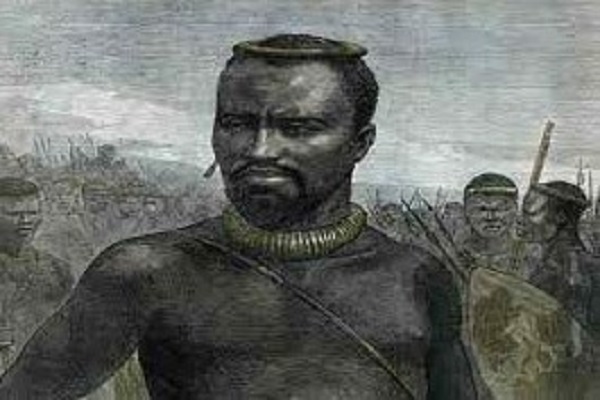
TACKY’S WAR
(1760-1761)
Tacky’s War, also known as Tacky’s Rebellion, was an uprising among Jamaica Akan enslaved people from Ghana that occurred in St. Mary Parish, Jamaica, against the British from 1760 to 1761. Other ethnic groups from Ghana including the Akyem, Nzema, Fanti, and Ashanti took part in the rebellion. The rebellion was led by Tacky (also known as Takyi), who was from the Fante ethnic group. This war was one of the most significant slave rebellions in the Caribbean during the 18th century before the Haitian Revolution, which began three decades later.
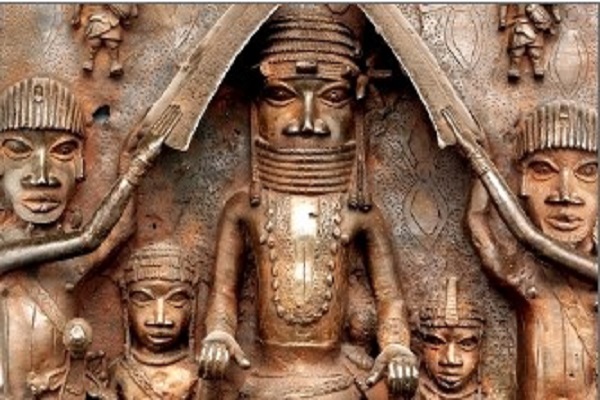
BENIN KINGDOM
The first known forest kingdoms were formed in the early 11th C AD by the Yoruba and the Edo peoples of Western Nigeria.
In this early period of the Ogiso dynasty of Kings, foundations were laid for the Benin states which were to follow. The venerated rulers ruled with the assistance of elders, while a guild system of labour existed for the masses, ensuring high quality of workmanship from their artisans. The practice of highly skilled craftsmanship and artistry was integral to their society.
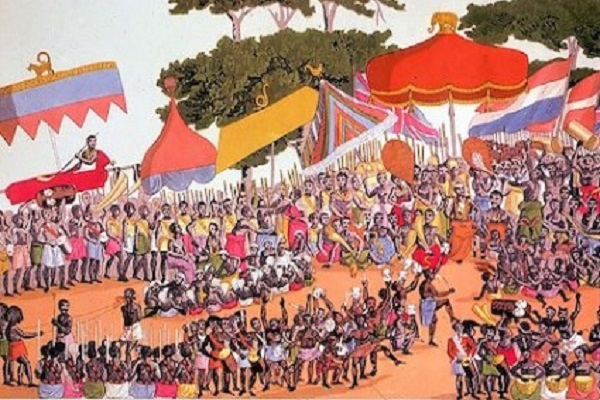
Ashanti Empire
It is believed that the Ashanti ethnic group settled in the rainforests of what is today Ghana between the 11th and 13th centuries. The original form of political and social organization was the Ashanti tribe. However, there were ties to other groups from the beginning.
The Ashanti are part of a larger group, the Akan, and share many cultural characteristics with other Akan peoples. Their staple crops are yams, and they also eat plenty of plantains and taro. Ashanti ethnicity is claimed by millions of modern Ghanaians today. While many Ashanti have moved to cities, the majority of their modern population is rural, and ancient lifeways are still preserved in contemporary villages.
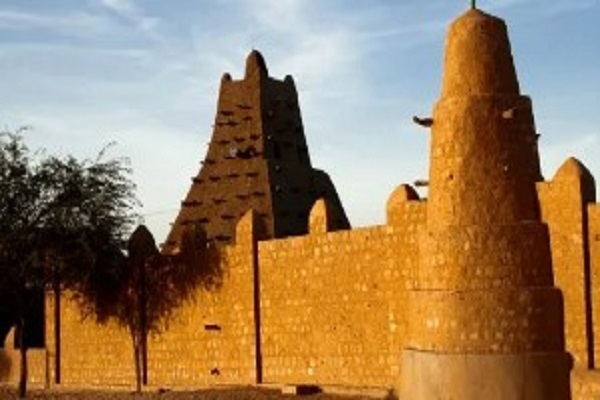
The Kingdom of Mali
The Kingdom of Mali became the great Empire of this area of Africa for 2 centuries - from 1250 to 1450. This was a very sophisticated society which embraced Islamic law, governance and economics and became part of a world, Islamic civilization. Their golden age was achieved under the rule of ‘Musa’.
The Kingdom expanded to include Mali, Guinea, Mauritania, Northern Mali and Senegal. Mosques and madras’s were built everywhere and their society became complex and layered, at the bottom of which were those who had lost the rights to be free men.
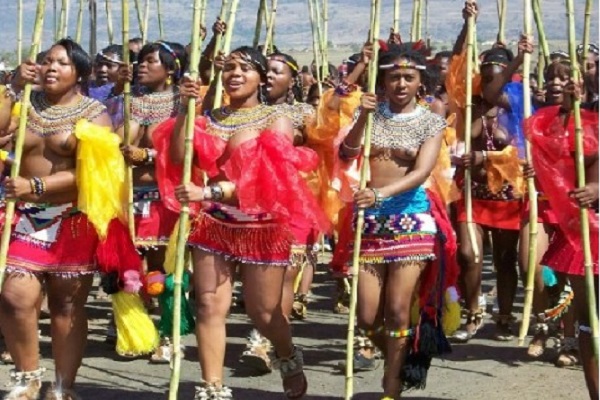
The Umhlanga or Reed Dance.
The Umhlanga, or Reed Dance, brings together the unmarried girls and young women of the country to cut reeds for the annual repairs to the windbreaks of the queen mother’s village; it lasts for five days. It is also symbolic of the unity of the nation and of its perpetuation through the massed ranks of young women. Both ceremonies are held at the national capital of the queen mother.
Other ceremonies are associated with the communal weeding and harvesting of the king’s fields (and those of the chiefs) and with customary marriages. Most ceremonies are accompanied by traditional music, songs, and dancing. Musical instruments are simple in design, a kudu horn (impalampala) used for hunting or herding cattle, a calabash attached to a bow (umakweyane) for love songs, the reed flute, played by small boys while herding, and rattles made of seedpods attached to the wrists and ankles.
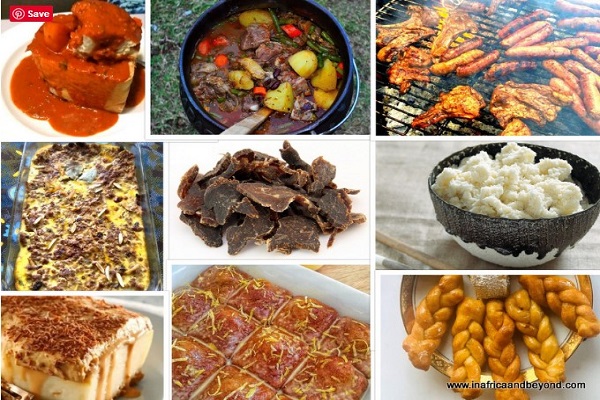
African cuisine
Many people living in Eastern, Western and Southern African villages are farmers. They live almost entirely off the food they grow themselves.
African cuisine is a staple of the continent's culture, and its history is entwined with the story of the native people of Africa. The foods that native Africans eat have been influenced by their religions, as well as by their climates and lifestyles. The first Africans to inhabit the continent were hunter-gatherers who ate what they could find in nature. As agriculture became more common in Africa, so did agriculture-based diets.
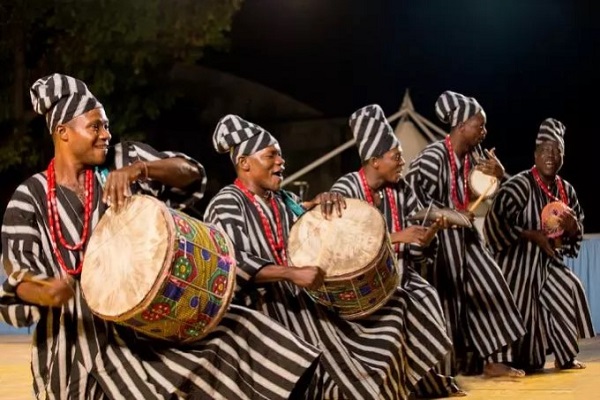
African music
African music, the musical sounds and practices of all indigenous peoples of Africa, including the Berber in the Sahara and the San (Bushmen) and Khoikhoin (Hottentot) in Southern Africa.
Musical instruments in African societies serve a variety of roles. Some instruments may be confined to religious or cultic rituals or to social occasions. Among some peoples there may also be restrictions as to the age, sex, or social status of the player. Among the Xhosa, for example, only girls play the imported jew’s harp, a modern replacement for the traditional mouth bow, which was formerly their prerogative.
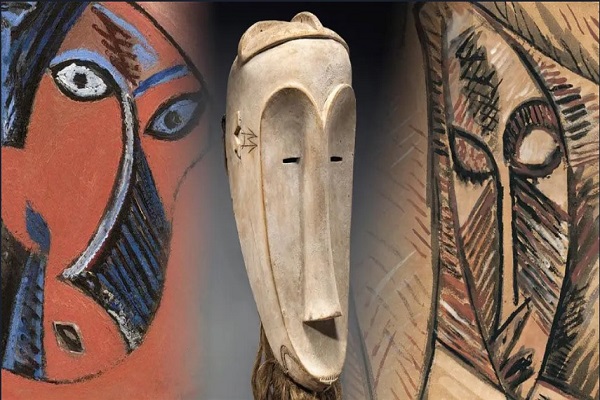
African Art
African art, the visual arts of native Africa, particularly sub-Saharan Africa, including such media as sculpture, painting, pottery, rock art, textiles, masks, personal decoration, and jewelry.
African art is a broad term that encompasses a rich and diverse range of artistic traditions and practices across the African continent. African art has a long and storied history that dates back thousands of years, with various cultures and civilizations producing unique and vibrant artistic expressions.